
Home » Surgeries We Specialize » Hernia Surgery
Hernia Surgery
Planned Hernia Repair for Long-Term Relief and Safety
A hernia occurs when part of an internal organ pushes through a weak area of muscle, commonly in the groin or abdomen. Hernias do not heal on their own and tend to increase in size over time.
At Vikram Leela Hospitals, hernia surgery is performed as a planned procedure, ensuring patient comfort, safety, and faster recovery.
Common Symptoms of Hernia
- Visible bulge in groin or abdomen
- Pain or discomfort while standing, lifting, or coughing
- Burning or dragging sensation
- Increased pain by evening
Ignoring a hernia can lead to complications like obstruction or strangulation, which may require emergency surgery.


Types of Hernia We Treat
At Vikram Leela Hospitals, surgery is never treated as a rushed or routine event. We believe every surgical procedure should be carefully planned, clearly communicated, and supported by strong medical safety systems.
We believe surgeries should be:
- Inguinal hernia (most common, especially in men)
- Umbilical hernia
- Incisional hernia (after previous surgery)
From pre-surgical evaluation to complete post-operative recovery, our team focuses on precision, patient comfort, and transparent guidance so that patients and families feel confident at every step.
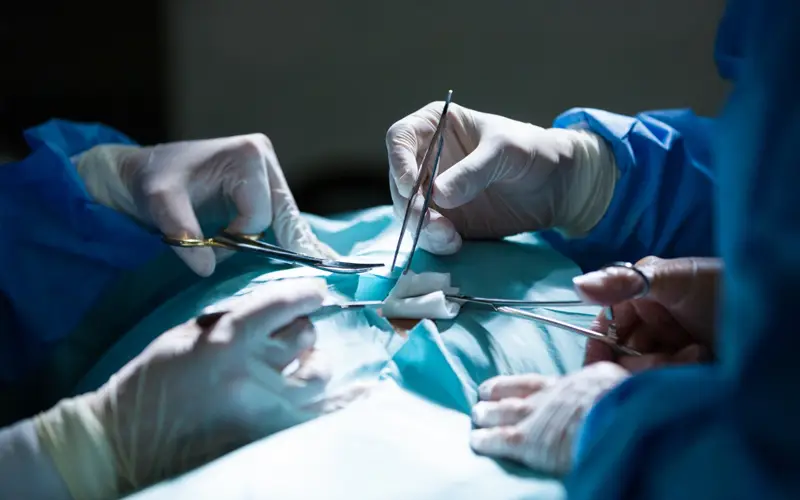
Why Planned Hernia Surgery Is Important
Planned surgery ensures:
- Surgery before complications arise
- Proper anesthesia fitness check
- OT scheduling without emergency pressure
- Lower risk and faster recovery
Emergency hernia surgery carries higher risk and longer recovery.

How the Surgery Is Done
- Pre-operative tests and anesthesia evaluation
- Surgery in a sterile, well-equipped OT
- Post-operative monitoring
- Pain control and early movement
- Discharge with lifestyle guidance

Post-Surgery Recovery
- Gradual return to diet
- Wound care instructions
- Activity restrictions explained
- Follow-up visits scheduled
Emergency hernia surgery carries higher risk and longer recovery.
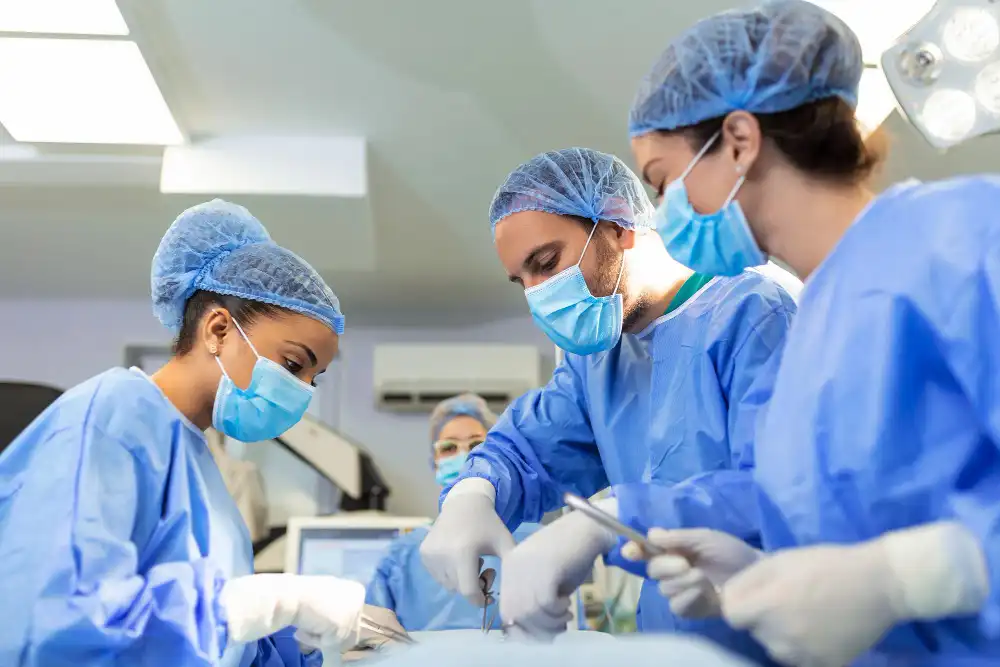
Why Choose Us for Hernia Surgery
- Strong anesthesia availability (major district-level gap addressed)
- Planned OT access
- Short hospital stay
- Clear cost communication
- Focus on recovery, not just surgery
Frequently Asked Questions (FAQs)
No. Surgery is the only permanent treatment.
Pain is well controlled with anesthesia and medication.
Most patients return to routine activity within a few weeks, as advised.